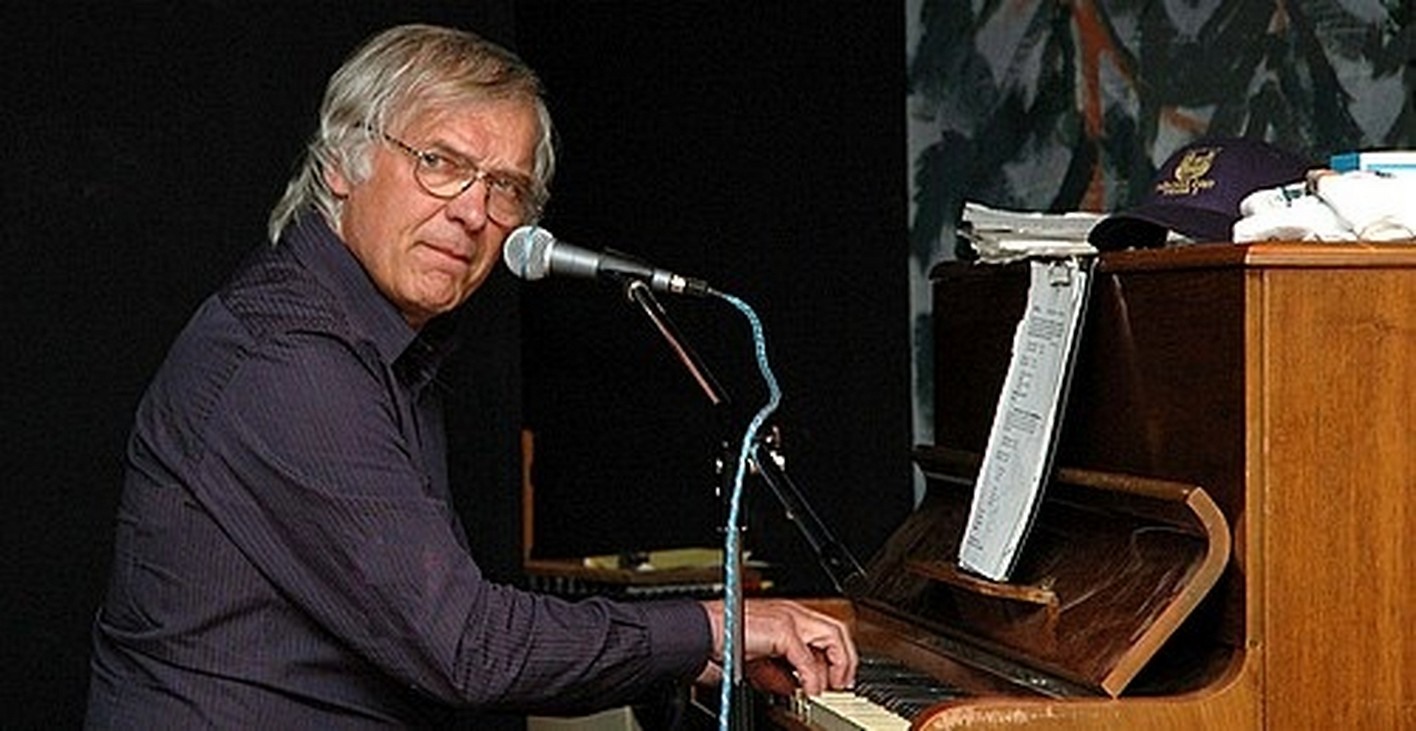
Daniel
Dobiáš
From Hana Hegerová’s chansons to Shakespeare’s sonnets. Discover the songs and stories of a Czech composer.
Listening room
Four voices give four different readings of Dobiáš’s music. Hear Hana Hegerová sing live, listen to Věra Wajsarová’s ballad, and explore songs taken up by Václav Neckář and Waldemar Matuška.
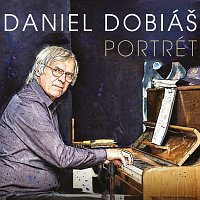
Portrét
Tomáš Padevět selected 70 recordings spanning 1969–2026.
Triple CD at Bontonland ↗Explore on Supraphonline
Artist biography
Prague and radio
Daniel Dobiáš was born in Prague on 5 October 1946, the son of composer Václav Dobiáš. He studied piano and composition at the State Conservatory in Prague. While still a student, he began writing for Hana Hegerová, for whom he composed seven chansons. From 1971 to 1996 he worked as a music editor in Prague radio. In 1994 one of his original radio music programmes won a first prize in Shanghai.
Writing for the voice
Dobiáš’s songs have been sung by Václav Neckář, Waldemar Matuška, Helena Vondráčková, Jana Koubková, Peter Lipa and Michal Prokop. Michal Tučný sang Koukám, jak celá země vstává, his setting of lyrics by Zdeněk Rytíř, which won the Děčínská kotva award. His collaborators include lyricists Pavel Kopta, Ivo Fischer and Jan Vodňanský. He also set poems by Jiří Orten and Jaroslav Seifert. Alongside his writing for brass and folk ensembles, he composed scores for Hamlet and Electra, the television film Křížová cesta and the radio play Umírám láskou.
Poetry in performance
For Sonety Williama Shakespeara, Dobiáš set Martin Hilský’s Czech translations to music. Hilský and the actors Táňa Fischerová and Ladislav Frej joined him on stage. In 2010 he and Hilský filmed a programme about the sonnets for the British Council. A different encounter between music and testimony lies at the heart of K čemu je slunce, když není den, his settings of poems written by children and young people imprisoned in the Terezín ghetto. The songs were later recorded by actors, singers and young musicians from Louny, and accompanied by an illustrated songbook.
Concerts abroad, 1990s–2013
From the 1990s Dobiáš toured Europe and North America and performed in Mexico and Guadeloupe with Jan Vodňanský. In 2005 he appeared with Czech surrealist poets in Moscow and St Petersburg. A 2008 tour took him to New Zealand, Australia and South Korea. In 2009 he performed Shakespeare in London with Hilský. The following year he presented the Terezín programme at the Kafka–Borges biennial in Buenos Aires and took Ro(c)ky Karla IV., a musical portrait of Charles IV drawing on medieval poetry from seven European countries, to Czech communities in Argentina. He sang the Terezín settings in Moldova in 2011 and performed Vánoce jsou ve dveřích in Hong Kong and Beijing in 2013.
History in song, 2015–2019
In 2015 Dobiáš commemorated Jan Hus with concerts in Argentina, Chile and London, and recorded Mistr Jan Hus with pupils in Louny. In 2016 he expanded his Charles IV programme for the seven-hundredth anniversary of the emperor’s birth. Performances included Mexico City, Budapest and Taipei. Zpíváme si s Masarykem, devised in 2017, drew on Jan Masaryk’s folk-song improvisations, which Václav Dobiáš had written down. Daniel performed with pupils from Louny in India and later in Australia and the United States. In 2019 he performed in Iceland with pupils from Postoloprty and in Madrid with singer Laia Falcón, who joined him in a setting of a Terezín poem.
New collaborations, 2020–2022
In Na mne-li myslíš, Dobiáš and singer Kristina Kubová explored early Chinese poetry. In 2021 he gave a recital in Rome to mark the close of the Year of Saint Ludmila. In 2022 he performed with Jaroslav Parma at the Czech embassy’s year-end concert in Ljubljana. Other collaborations from this period include I kdybys byla kámen nebo skála, on Italian Renaissance poets, with Jiří Pelán, and Bez paměti se všechno mění v dým, conceived with Eva Lustigová around Terezín poetry. With Kubová he also created Miluj pravdu, tracing eight centuries of Czech–German exchanges in music and art.
Portrét and Písně v čase
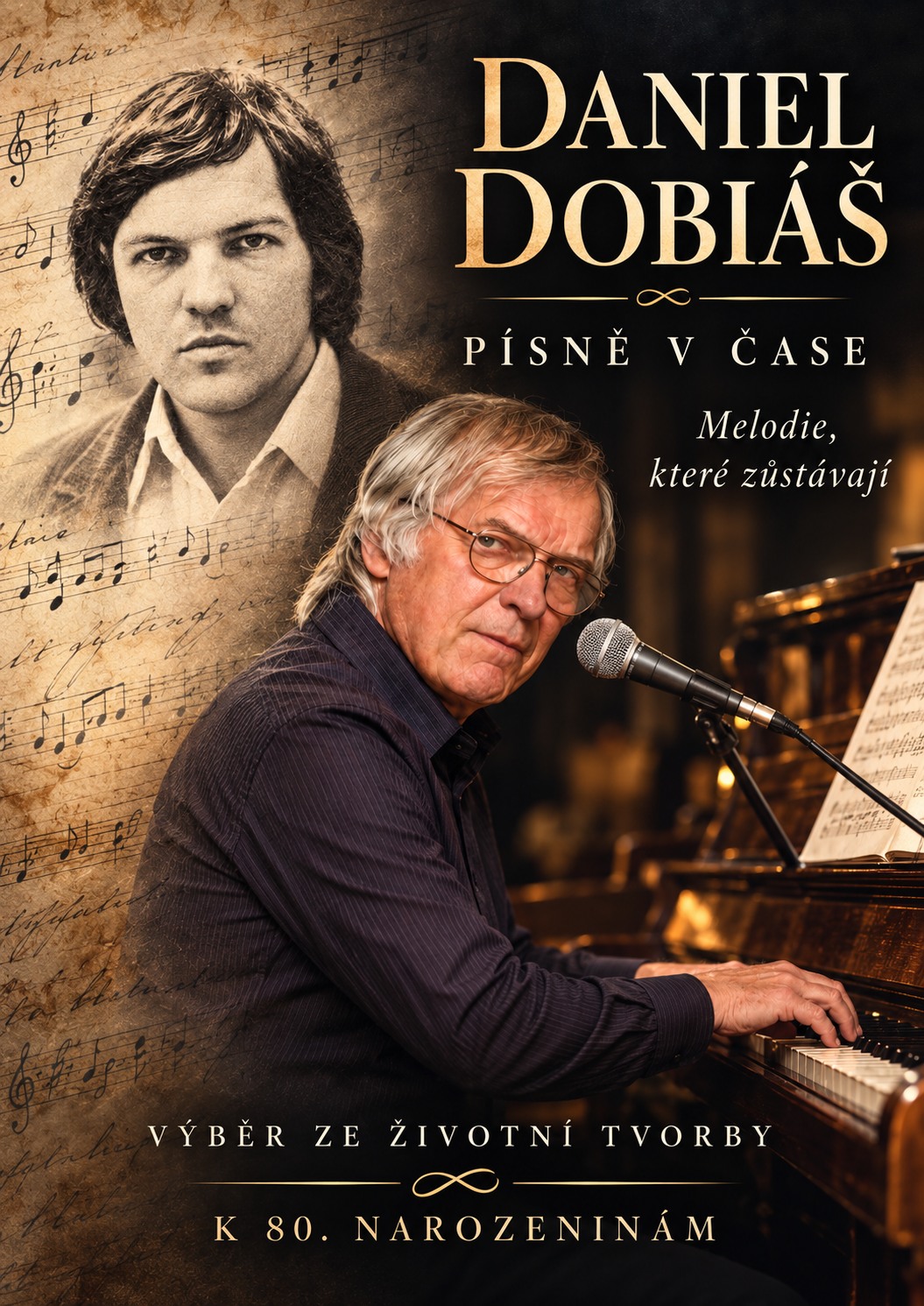
Released on 23 October 2026, the three-CD Portrét brings together 70 recordings from 1969 to 2026, selected by Tomáš Padevět. The illustrated birthday edition Písně v čase follows a separate selection of 71 recordings through four chapters, from the original songs and their versions in other languages to new interpretations and Shakespeare’s sonnets.
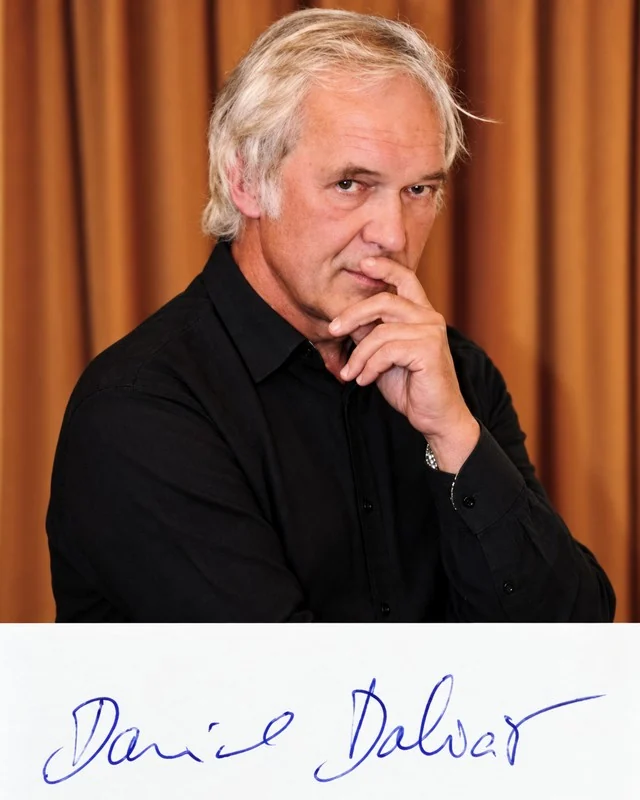
Shakespeare in song
Shakespeare’s sonnets have followed Daniel Dobiáš onto the concert stage. In this performance from Prague’s Dejvické divadlo, he is joined by Shakespeare translator Martin Hilský.
▷ Watch the performance ↗In photographs
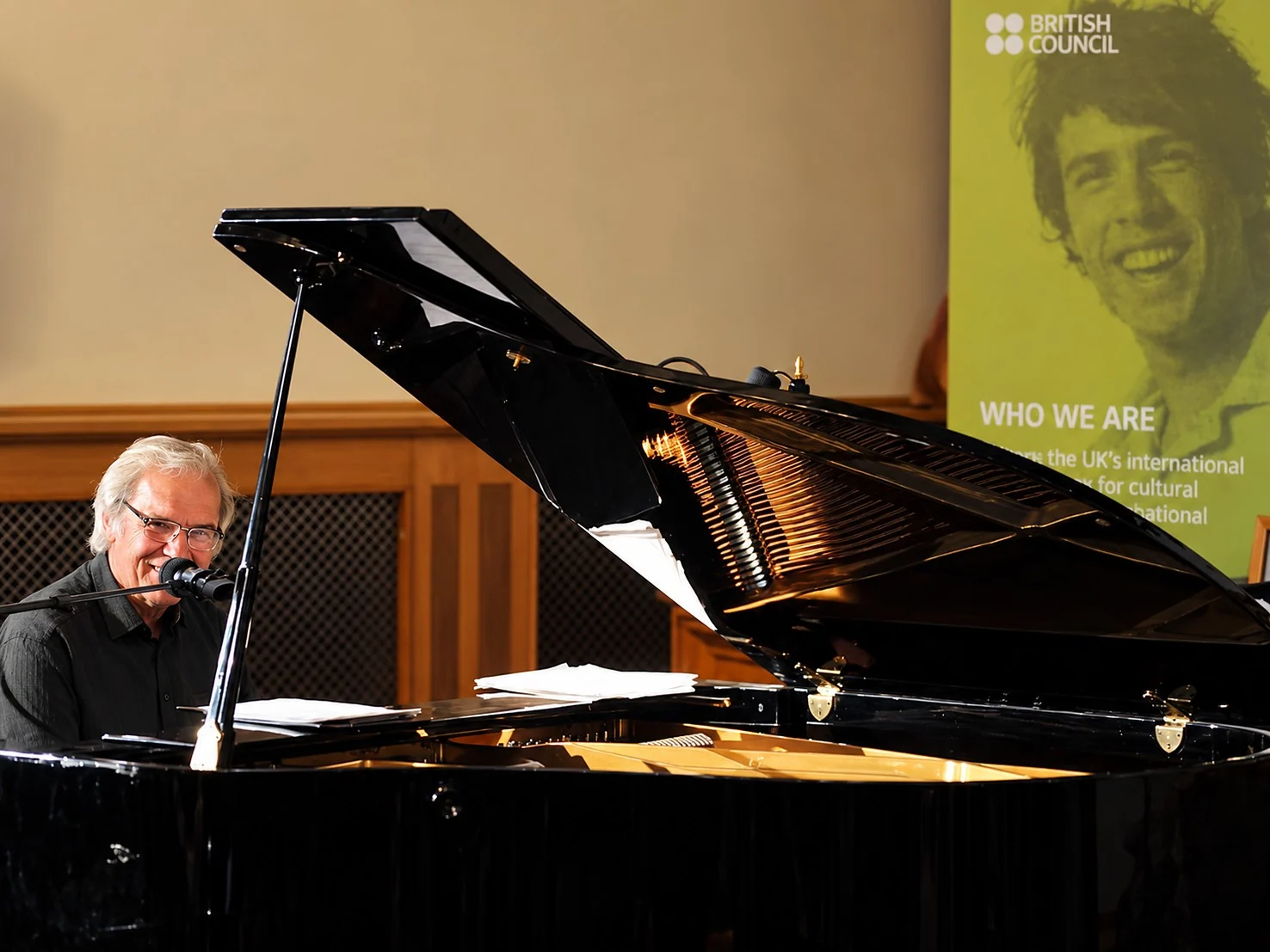
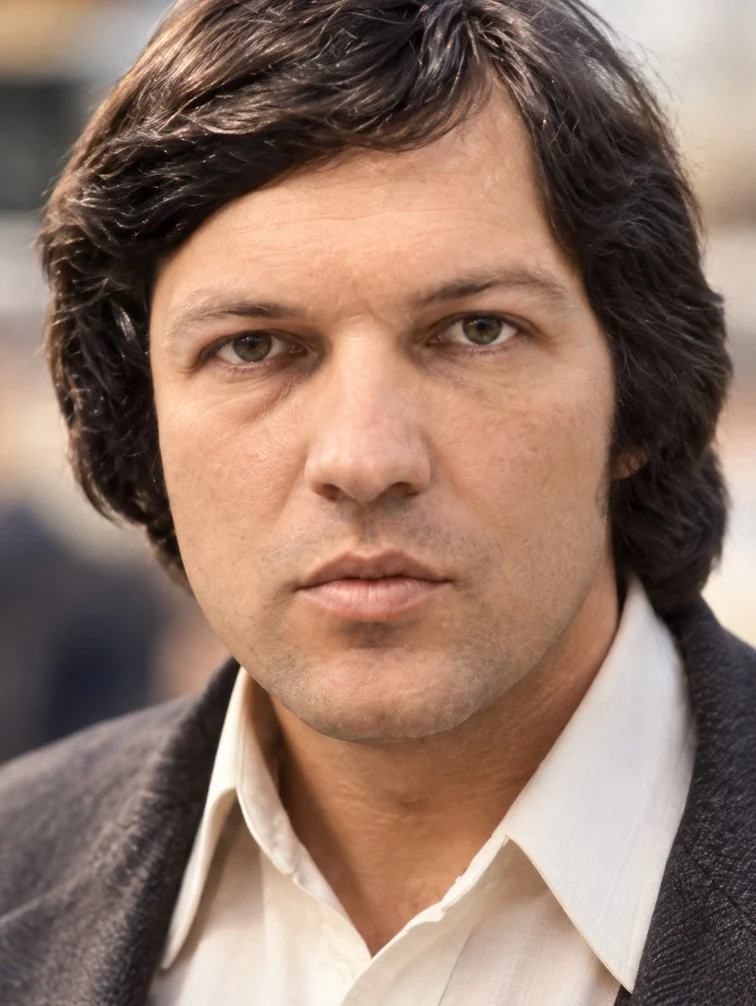
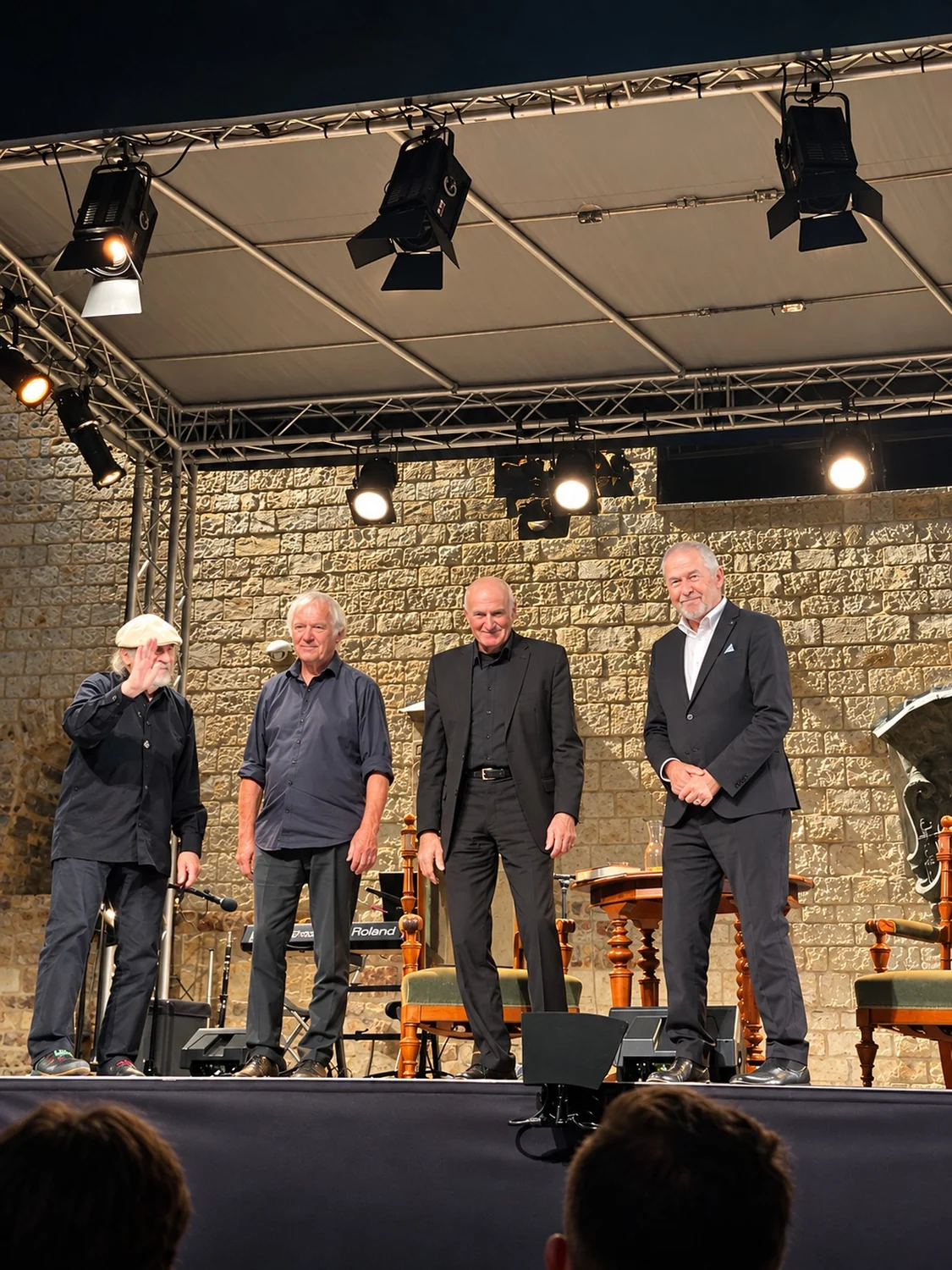
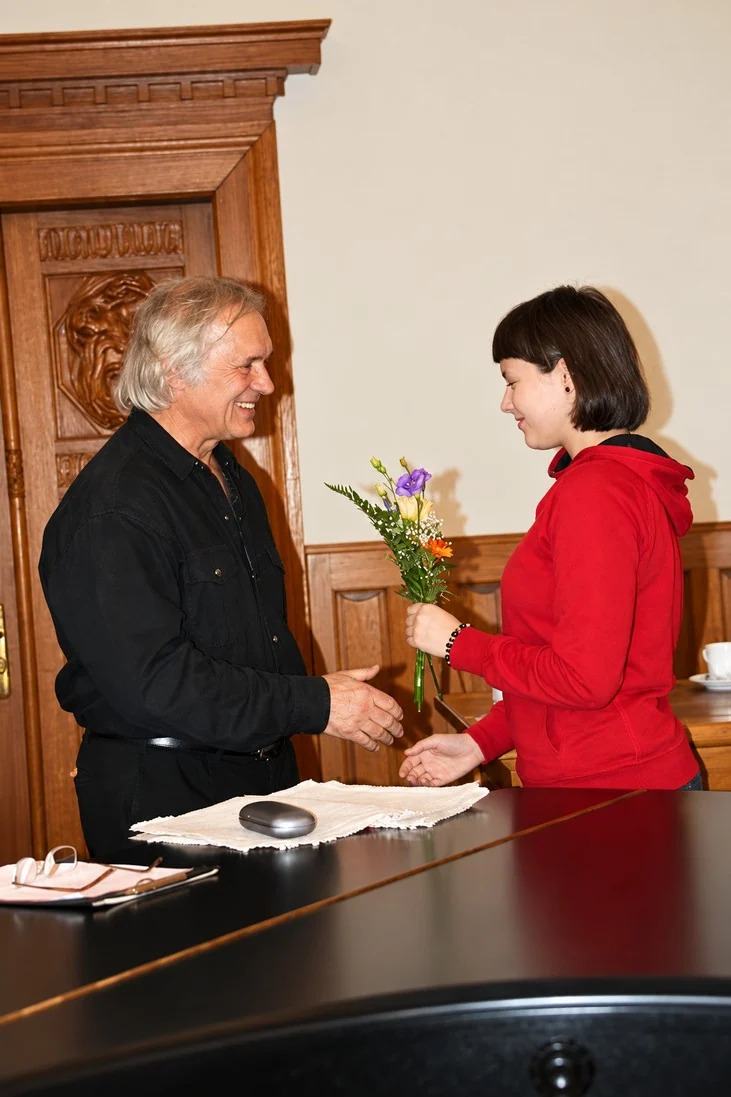
Písně v čase
Published for Daniel Dobiáš’s eightieth birthday, Písně v čase (Songs Through Time) is an illustrated companion to 71 recordings. Four chapters follow the songs from their first versions into new voices and languages, with photographs from the composer’s personal archive.
Original songs
Nine pieces open the collection, among them Krajina (Landscape) and Město zaslíbené (The Promised City). Each is paired with an image that draws the listener back to a detail in the song.
Songs without borders
Three songs appear in fifteen languages. In Své čelo mi do okna vtlačila (She Pressed Her Forehead to My Window), a single gesture at a window takes on a different rhythm with each language’s syllables and stresses.
Songs reimagined
The title Jednou can sound like a promise of “someday” or a recollection of “once”. This chapter returns to familiar songs to hear what a different voice or a slower tempo brings out.
Shakespeare’s sonnets
The final chapter brings Shakespeare’s English verse together with Martin Hilský’s Czech translations and Dobiáš’s settings. In Sonnet 60, listen for the pulse of the waves as the poem measures the passing minutes.